
VfL exists as a charity to support older vegans and vegetarians to live well and in line with their deeply held beliefs. Earlier this week, we explored the practical challenges to this goal, as well as the evidence base. Our inquiry highlighted real-world examples of vegans and vegetarians in care being served meat or left with inadequate options, pointing to a failure to respect deeply held beliefs. We then looked at the research, which is clear: food is not just nutrition, but a key part of identity, dignity, and social connection in later life.
The question, then, is what can be done in practice.
Research shows that small, everyday changes can make a significant difference. Mealtimes are one of the most important opportunities to support identity. Familiar foods, meaningful choices, and positive social environments can all help residents feel like themselves – particularly in care settings where routines can otherwise undermine individuality.
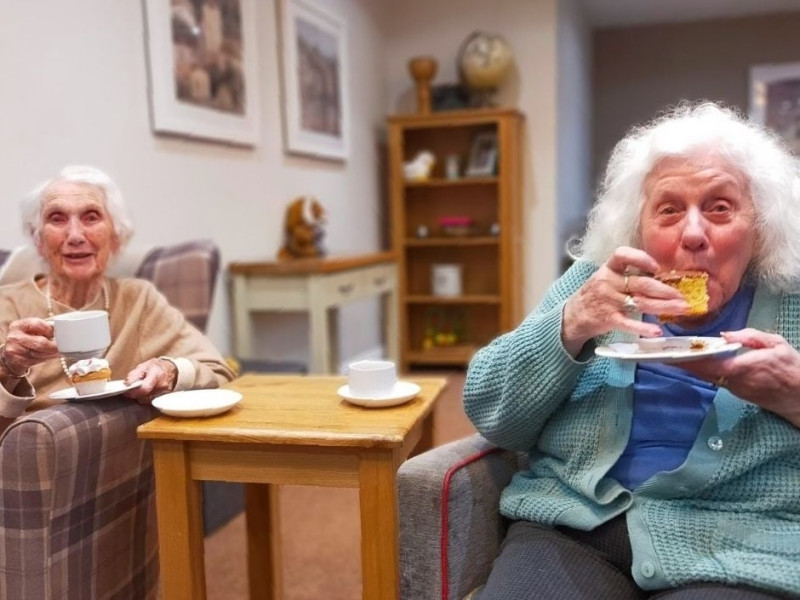
A more holistic approach to diet is essential. While preventing malnutrition remains important, studies consistently show that a ‘good’ meal also includes pleasure, comfort, familiarity, and cultural meaning. Supporting autonomy is equally critical: being able to choose what to eat, and who to eat with, is closely linked to wellbeing. Importantly, these choices are shaped by the environment – from how menus are presented to who is sitting at the table.
Dementia adds complexity, but it does not remove the importance of identity. Where individuals may struggle to communicate preferences, involving families, drawing on previously expressed preferences, and designing supportive environments becomes even more important. Evidence suggests that apparent changes in preference may reflect context rather than a true shift in beliefs – reinforcing the need to actively support identity, not assume it has disappeared.
There are practical steps that providers can implement now:
VfL’s Memory Care Pledge brings these principles together into a clear commitment for care providers. It includes practical measures such as offering appropriate alternatives where someone with cognitive impairment appears to choose against their lifelong beliefs, and enabling residents to dine alongside others with similar preferences where this supports their wellbeing.
Many care homes have already signed up, recognising that expectations are changing. The number of older vegans and vegetarians is growing, and with it the need to ensure that care is both nutritionally adequate and identity-supporting.
Individuals and families also have a role to play. VfL’s Self-Advocacy Pack helps people document their dietary preferences and plan for future care, ensuring their wishes are clearly understood.
Ultimately, supporting diet as identity does not require radical change. It requires attention, understanding, and the right tools. With these in place, care providers can ensure that mealtimes remain inclusive, meaningful, and aligned with who someone is – throughout their lives.
_cover_1.jpg)
Categories:
Articles
Life After Retirement