
Insights from Procurement For Care and allmanhall during Care Home Open Week
As Care Home Open Week shines a spotlight on life in care settings across the UK, it's also an opportunity to recognise the people working behind the scenes to support residents' wellbeing.
When it comes to vegan and vegetarian provision, great meals don't start in the kitchen. They begin much earlier – with menu planning, product development, procurement decisions and strong supplier relationships.
Vegetarian for Life works closely with care homes, catering teams and suppliers, giving us a unique insight into how expectations around vegan and vegetarian provision are changing.
To explore what care homes are looking for from suppliers in 2026, we spoke to two of our Featured Supplier Members: Chris Dean, Founder and Chief Procurement Officer at Procurement For Care, and Tess Warnes, Head of Nutrition & Sustainability and a Registered Dietitian at allmanhall.


Plant-based provision is becoming part of everyday care
One of the most significant changes in recent years is that vegan and vegetarian options are increasingly being treated as an integral part of menu planning rather than a special request.
Chris has seen more care homes incorporate vegan and vegetarian dining into their wider foodservice offer rather than treating it as a separate category. He believes this reflects a growing understanding that for many residents, dietary choices are linked to lifelong values, beliefs and personal preferences.
Tess has noticed a similar shift.
One of the biggest changes I've seen is that vegetarian and vegan options are no longer treated as a special request or an afterthought," she says. "Care homes are becoming much more proactive in building plant-based dishes into their regular menu cycles, meaning residents have genuine choice rather than being offered the same fallback option repeatedly.
This change represents an important step forward for residents who want to continue living according to their values in later life.
Nutrition comes first
While choice is important, nutrition remains the top priority for care providers.
Care homes need meals that support residents' health and wellbeing while remaining enjoyable and appealing. For suppliers, this means understanding the nutritional requirements of older adults and helping kitchens deliver balanced meals consistently.
Tess has seen considerable progress in this area.
A few years ago, vegetarian meals in care settings often relied heavily on cheese-based dishes, while vegan options could be limited and sometimes lacked protein. Today, many homes are making better use of ingredients such as lentils, beans, chickpeas, tofu and fortified products to create balanced plant-rich meals that support residents' nutritional needs.
Chris agrees that successful vegan and vegetarian provision starts long before food reaches the plate. The right products, reliable nutritional information and chef confidence all contribute to positive outcomes for residents.
Practicality matters
Innovation is important, but care home kitchens also need products that work in real-world settings.
Alongside catering for personal preferences, teams may also be managing allergies, fortified diets, texture-modified meals, staffing pressures and tight budgets.
As a result, care homes are often looking for products that:
Tess highlights practicality and resident acceptance as key considerations.
Nutrition is a top priority for all our clients, particularly protein content and overall nutritional value. Care homes also need products that are practical, cost-effective and easy for kitchen teams to prepare consistently.
Chris similarly believes that the strongest procurement decisions are often built around a sensible core range of ingredients rather than an overwhelming selection of niche products.
Sustainability and reducing waste
Alongside nutrition and practicality, sustainability is becoming an increasingly important part of procurement discussions.
However, both contributors emphasise that sustainability is about more than choosing plant-based products.
Food waste remains one of the biggest challenges facing the sector.
Chris notes that a product may appear sustainable on paper, but if it isn't eaten, the intended benefit is lost. Likewise, Tess highlights the importance of resident acceptance and reducing waste when evaluating products and menus.
The most sustainable meals are often those that residents genuinely enjoy, kitchens can prepare confidently and care homes can deliver consistently.
Start with familiar favourites
For care homes looking to make menus more plant-forward, the advice from both contributors is remarkably similar: start with dishes residents already know and enjoy.
Chris recommends building on existing favourites such as soups, curries, casseroles and pies, introducing more vegetables, pulses and grains without making menus feel unfamiliar.
Tess offers a practical example:
Simple changes, such as incorporating more pulses, vegetables and plant-rich proteins into existing recipes, can make a big difference without disrupting menus, such as using 50% lentils in place of beef in a cottage pie.
These gradual changes can improve sustainability while maintaining resident satisfaction and nutritional quality.
Building better partnerships
Perhaps the strongest message from across the sector is that successful vegan and vegetarian provision depends on partnership.
Care homes need suppliers who understand the realities of care catering. Suppliers need feedback from chefs and residents. Procurement specialists help bring those conversations together.
When everyone works towards the same goal, residents benefit.
Care Home Open Week is ultimately about celebrating good care. For older vegans and vegetarians, that includes access to meals that reflect their values, support their wellbeing and remain enjoyable throughout later life.
Care homes are already seeing the benefits. Satpal Kambo, Chef Manager at Garden City Court, says residents increasingly describe vegan and vegetarian dishes as flavourful, colourful and appetising, helping challenge outdated assumptions that plant-based catering is limited or uninspiring.
Behind every successful menu is a network of people helping to make that happen.
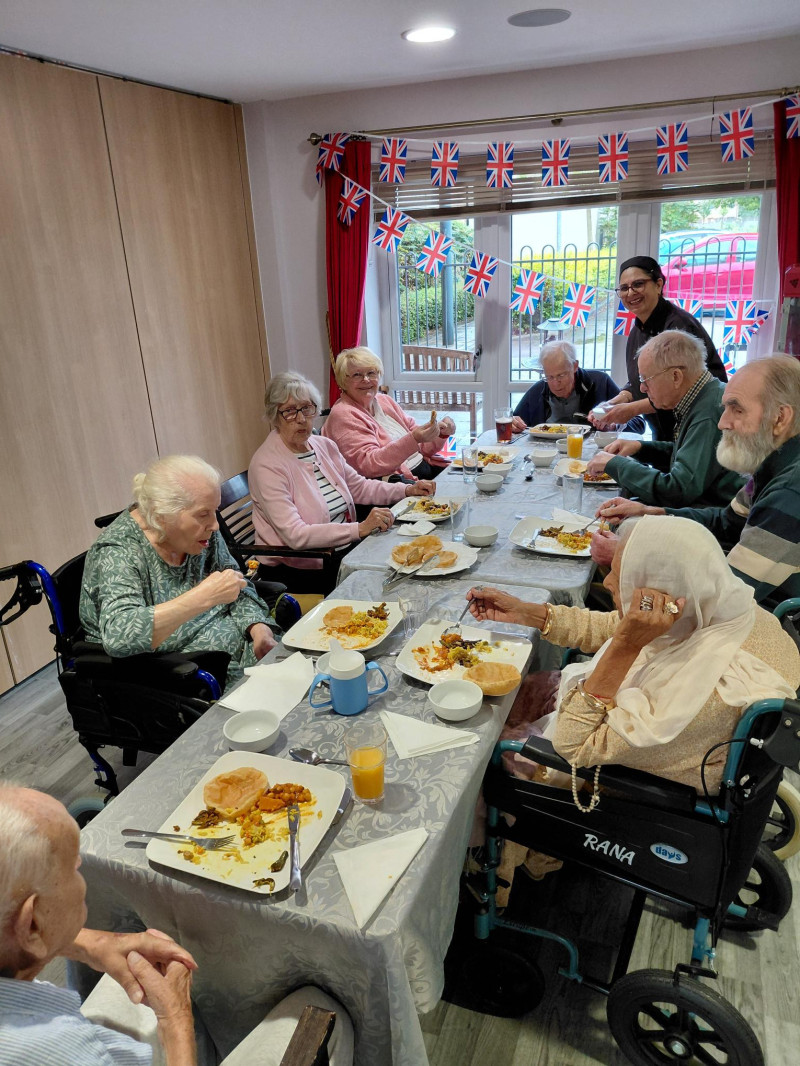
© Quantum Care
Categories:
Articles
Sylvia Jackson
16 June, 2026
I am elderly, almost 80. I have been a vegan for at least 30 years. I have been researching if there are any care homes who cater to vegans. So far I have not found any. I find it quite concerning that if the time comes when I do need assistance, I will not be able to eat anything provided. Do you have any suggestions. I do not want vegetarian food.
Thank you for any assistance you can give me
Regards
Sylvia Jackson.
Tom
17 June, 2026
Dear Sylvia,
VfL has a list of care homes who have pledged to provide the best possible catering for their vegan and vegetarian residents. You can find care homes near you that have joined our UK List* here: https://vforlife.org.uk/uk-list/care-establishments.
You can also call us for advice on 0161 257 0887, or email .(JavaScript must be enabled to view this email address). Our office hours are 09:30 - 17:30, Mon-Fri.
Tom
VfL Head of Business Support
*UK List membership is not an endorsement of an establishment or any care that it might provide, merely that it has undertaken to abide by our Code of Good Practice (https://vegetarianforlife.org.uk/caterers/best-practices), in order to provide ethical catering for older vegetarians. It may also choose to include provision for older vegans.